

- News and Updates
The Routes Changing the Incentive Map for 2026 / 2027
New international and domestic air connections are changing how planners can approach incentive programmes across the UAE, China, South Africa and beyond
For an incentive planner, a new flight route is never simply another line on a map.
It can remove a difficult connection, make an ambitious two-country programme more realistic, open a new gateway into a familiar destination or bring an idea back onto the shortlist.
Across the euromic network, several airline developments in 2026—and more announced for 2027—are changing the access conversation.
Some connect euromic destinations directly. Others strengthen the international hubs through which groups already travel. All are worth examining through the same planner-first lens:
What could this connection make possible for a group?
One hub. Three new programme directions.
Etihad’s 2026 seasonal expansion from Abu Dhabi created direct services to Palma de Mallorca, Kraków and Zanzibar.
The routes launched in June 2026, connecting the UAE with three very different incentive propositions:
** Palma de Mallorca for Mediterranean programs combining culture, coastline and resort experiences.
** Kraków for heritage, gastronomy and Central European city programmes.
** Zanzibar for Indian Ocean extensions, retreats and post-event experiences.
For euromic, these routes connect the destinations represented by Emeco Tourism in the UAE, Spanish Heritage in Spain, Mazurkas DMC in Poland and Green Inspirations DMC PCO in Tanzania.
That creates more than three individual city pairs. It positions Abu Dhabi as a potential program hub: a destination in its own right, a practical stopover and a connecting point between Europe, the Gulf and East Africa.
Japan opens three very different international gateways.
Japan’s recent connectivity story is not one development, but three.
On the Tokyo Haneda–Paris route, Japan Airlines introduced its A350-1000 for daily operation from 9 November 2025. The city pair already existed, but the aircraft deployment represents a meaningful product and capacity development for groups travelling between Japan and France.
JAL then launched a new Tokyo Narita–Delhi service on 17 January 2026, strengthening access between Japan and India and expanding connecting opportunities through Narita.
On 3 February 2026, Japan Transocean Air—part of the JAL Group—launched its first scheduled international service between Okinawa Naha and Taipei. The route continues into the 2026 winter schedule, supporting Okinawa’s role as another international gateway into Japan.
Together, these developments connect or strengthen access between destinations represented within euromic by:
** Creative Travel India & Beyond
For planners, the three routes support very different programme conversations.
Paris–Tokyo offers established global-city pairing with an upgraded long-haul product. Delhi–Tokyo creates another direct bridge between two major Asian incentive markets. Naha–Taipei strengthens access to Okinawa, opening a different side of Japan beyond the familiar Tokyo–Kyoto route.
That distinction matters.
A new aircraft, a new city pair and a new regional gateway do not create the same planning opportunity—but each can change how a destination is approached.
A direct South Atlantic connection changes the shortlist
LATAM’s direct São Paulo–Cape Town service launched in July 2026, creating a new nonstop link between Brazil and South Africa.
For groups travelling between the two regions, removing an intermediate hub changes the practical conversation. It reduces unnecessary backtracking and makes a Brazil–South Africa combination considerably easier to consider.
The direct route connects two euromic member destinations:
** South Africa — Walthers DBS
But the opportunity does not necessarily end in São Paulo.
As a major LATAM gateway, São Paulo also provides onward access across South America (including direct services to Buenos Aires).
This brings a third euromic destination into the planning conversation:
** Argentina — Argentina Travel Partners
For the right group, that could create a compelling three-destination journey: Cape Town’s coastline, winelands and culinary scene; São Paulo’s energy and cultural life; and Buenos Aires’ architecture, gastronomy and distinctive Latin character.
The real value, however, lies in what happens around the flights.
Should the programme combine two headline cities or develop into a wider regional journey? Does Argentina work as a short extension or deserve a fuller programme of its own? How should arrival days, luggage movements and the pace of the itinerary be managed? And, most importantly, do the experiences gained justify adding another destination?
A direct route makes the conversation possible.
Connected local knowledge; from Walthers DBS, BeBrazil and Argentina Travel Partners – determines whether the complete program works.
Better access is only the beginning
A direct flight can make a destination easier to reach.
It cannot determine whether the hotels are right for the group, whether the transfers work, whether two regions can be combined comfortably or whether the resulting programme is worth the additional movement.
Those answers still come from the destination.
That is why new route announcements matter to euromic—not as airline news, but as planning intelligence.
They show where access is improving, where new combinations may be emerging and where an idea that once looked too complicated may deserve another look.
Because the route may open the conversation.
Local knowledge is what turns it into a programme.
Route schedules and launch dates were checked against airline announcements available in August 2026 and remain subject to change.
Planning a programme around one of these new connections?
A route may make the journey possible. A local DMC makes the programme work.
Connect with a euromic member for destination knowledge, group logistics and ideas built around what is possible on the ground.
You May Also Like…
CATEGORY NAME
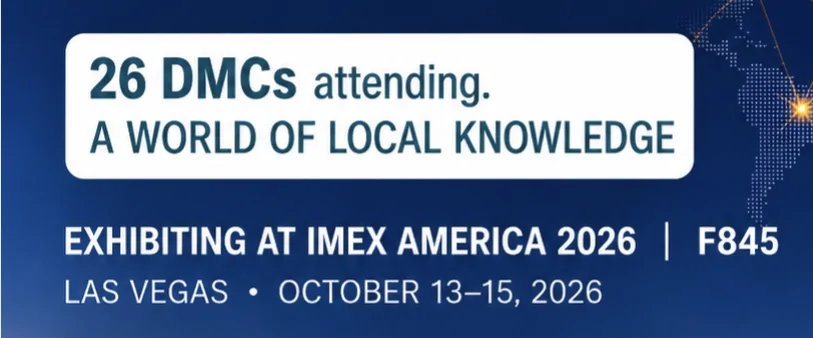
The Power of Local Knowledge at IMEX America 2026
The Power of Local Knowledge comes to Las Vegas. Meet 27 euromic DMCs at IMEX America 2026 and discover what to ask, what’s changing and what to look out for in 2027.
CATEGORY NAME
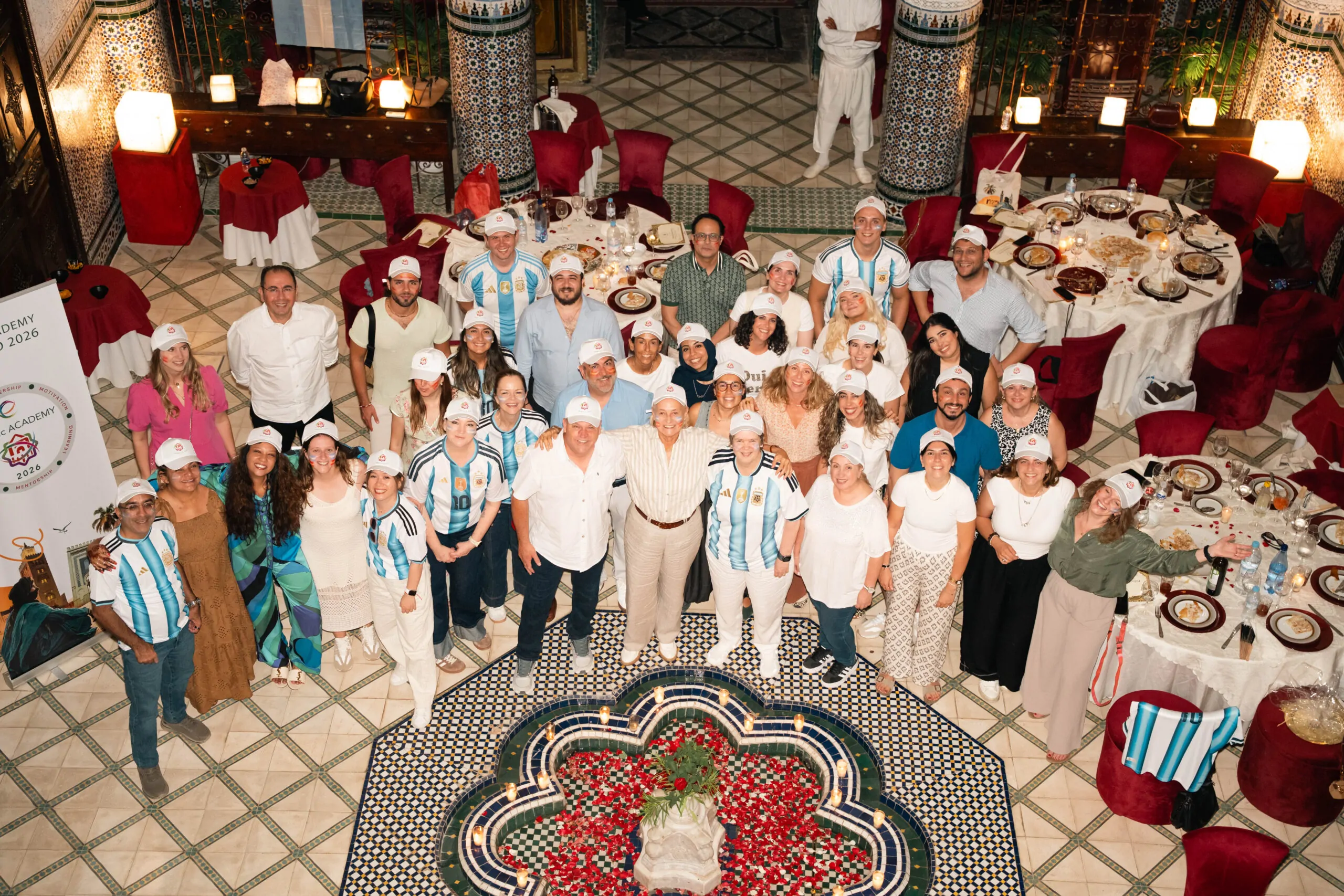
Developing Future DMC Leaders Through the euromic Academy 2026
The euromic Academy 2026 brought together emerging professionals from across the global network in Marrakech to develop future DMC leaders through learning, collaboration and the power of local knowledge.
CATEGORY NAME
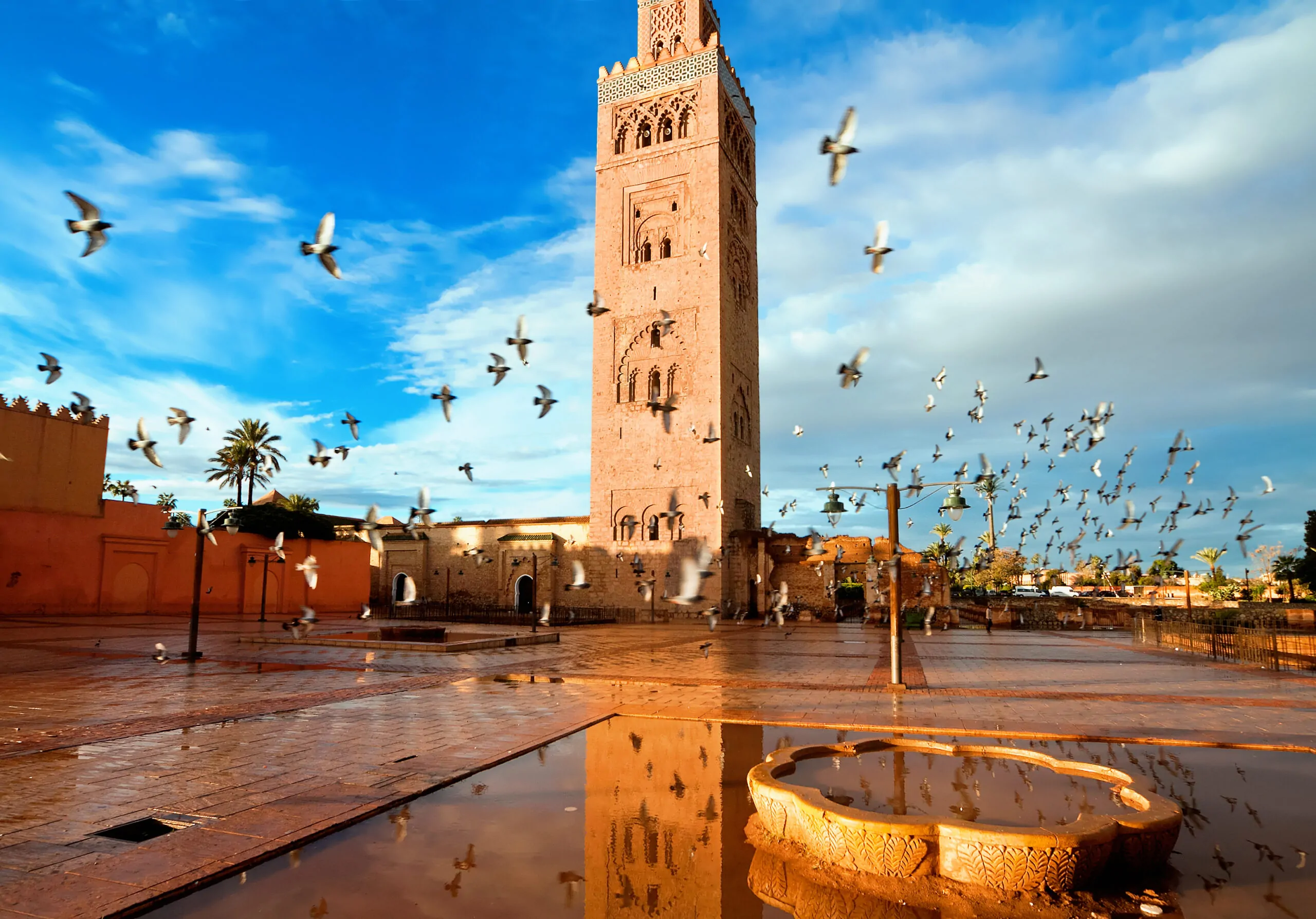
More Than an Academy. A Launchpad for Future Leaders. euromic Academy ’26
Discover how the euromic Academy 2026 in Marrakech is empowering the next generation of DMC professionals through education and authentic experiences.